U.S. regions
Where bird feeding is concentrated, and what those yards see
Feeder Almanac is a national backyard guide. These hubs start from official counts of birders and birding activity, then point you to the feeder birds reported in each region — not to a single New England list copied across the map.
How we chose the map
The U.S. Fish and Wildlife Service does not publish 2022 birder counts for every state in the birding addendum we used. It does publish Census division figures. In 2022 there were 96 million birders age 16 and older, and 91 million of them watched birds around home. By sheer numbers, the South Atlantic division had the most birders, about 20.6 million, or 21 percent of the total. The Pacific and East North Central divisions each held 15 percent; the Middle Atlantic 12 percent; West South Central 11 percent; the Mountain and West North Central divisions 7 percent each; East South Central 6 percent; and New England 5 percent, or 4.7 million birders. Participation was highest in the East South Central (41 percent) and West North Central (40 percent) divisions. East North Central birders spent the most days at it, 96 on average. Pacific birders were the most avid away from home, at 61 days.
For state pages we combined that regional picture with eBird checklist volume, a public measure of birding activity (all habitats, not just feeders). When we checked the United States subregions page on November 18, 2026, the leaders were California (7.46 million checklists), New York (4.75 million), Texas (4.61 million), Florida (3.98 million), Pennsylvania (3.59 million), Washington (2.83 million), and Ohio and Massachusetts (about 2.77 million each), with Michigan close behind (2.7 million). We wrote state guides for those leaders except Massachusetts, which is covered with the rest of New England, and we used Ohio as the Great Lakes example because it sits in the high-avidity East North Central division. Those eBird totals change as checklists are added.
We also tried to pull a current Google Trends state table for searches such as “bird feeder” and “bird seed.” Trends is a relative, per-capita index, not a headcount, and we could not retrieve a stable state ranking from the public interface during this update. We therefore do not invent a Trends leaderboard. The FeederWatch and USFWS sources above are the ones we could quote.
Region hubs
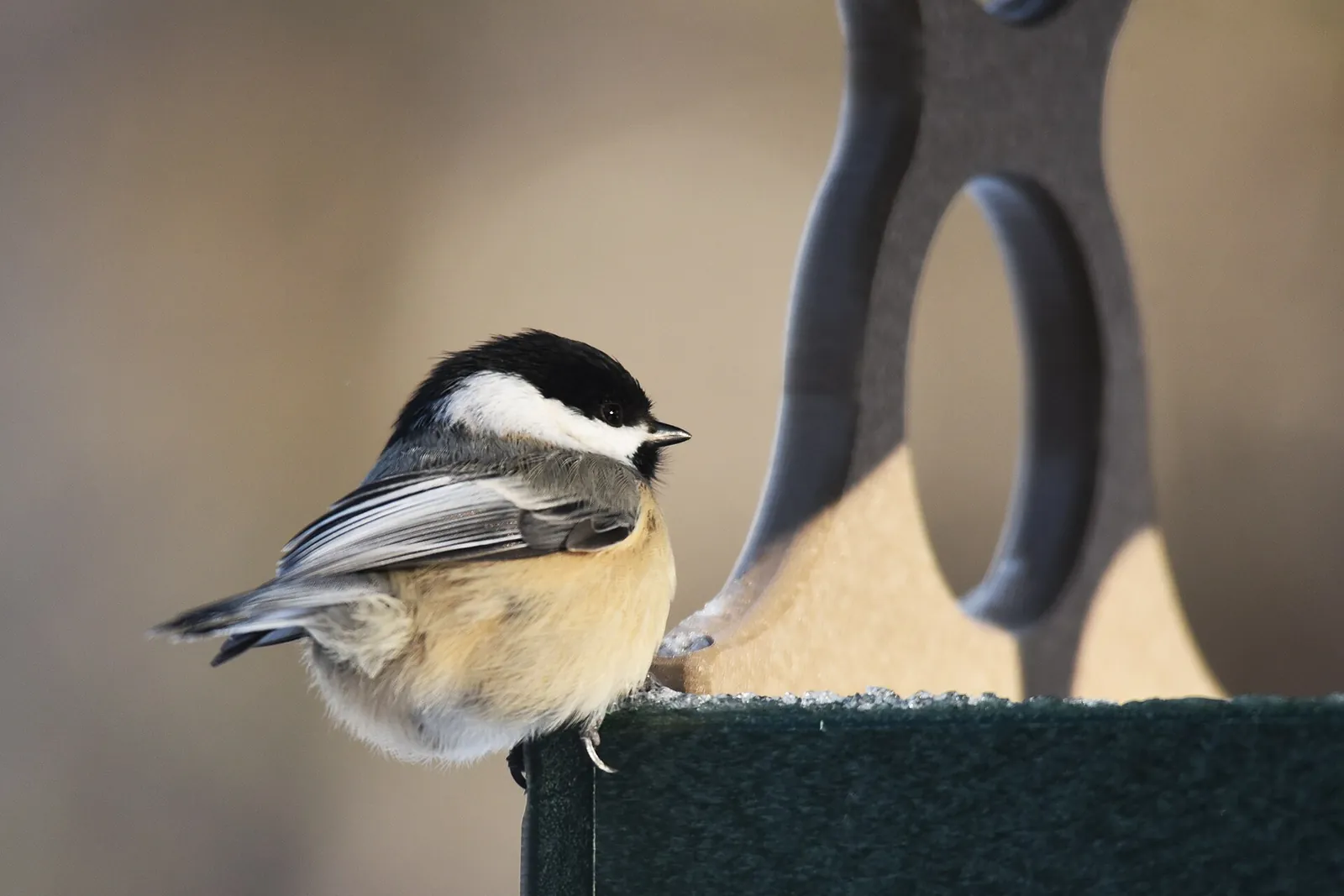
Region
Northeast
Maine, New Hampshire, Vermont, Massachusetts, Rhode Island, Connecticut, New York, New Jersey, and Pennsylvania.
Open the hub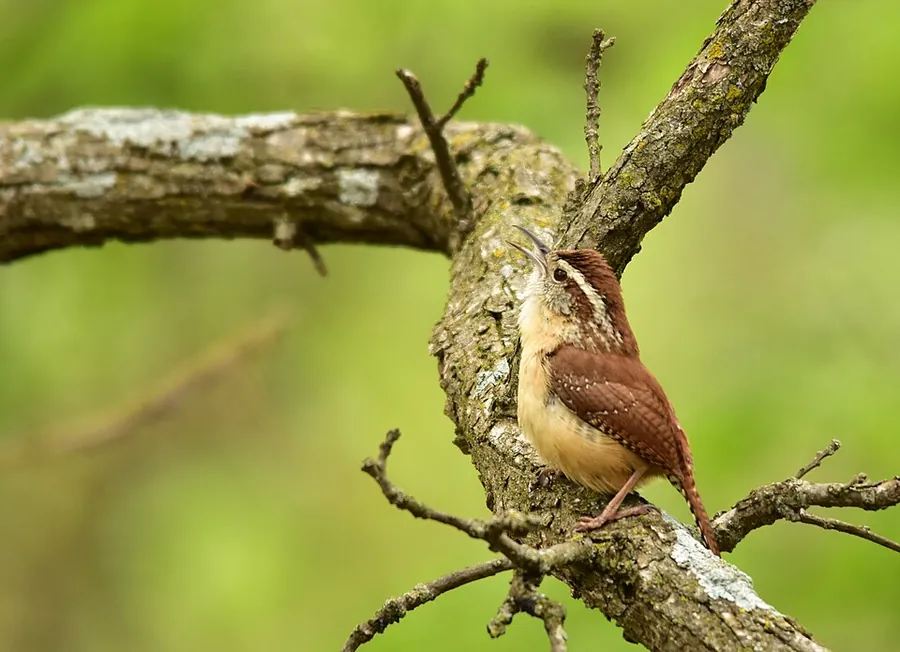
Region
Southeast
The South Atlantic and East South Central states, including Delaware, Maryland, Virginia, the Carolinas, Georgia, Florida, Alabama, Mississippi, Tennessee, and Kentucky.
Open the hub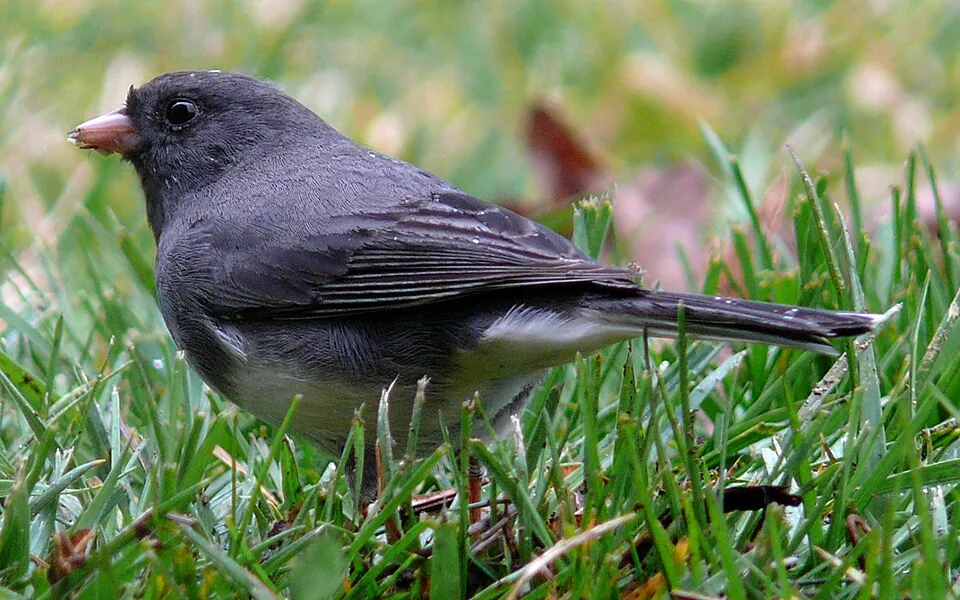
Region
Midwest / Great Lakes
Ohio, Michigan, Indiana, Illinois, Wisconsin, Minnesota, Iowa, Missouri, and the rest of the western Great Lakes and prairie edge.
Open the hub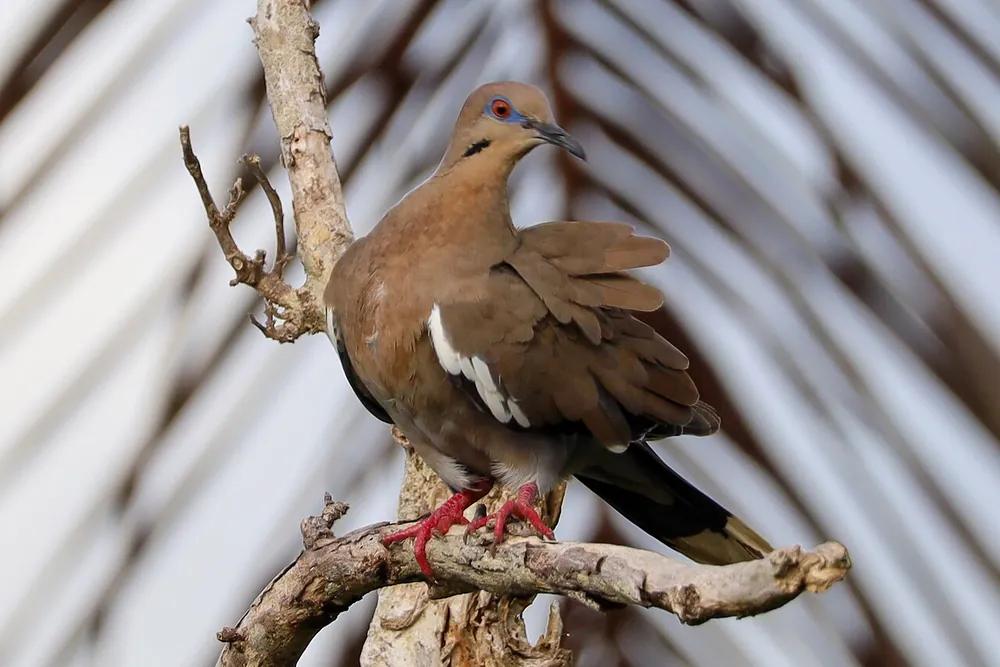
Region
Texas & South Central
Texas, Oklahoma, Arkansas, and Louisiana, the Census Bureau's West South Central division.
Open the hub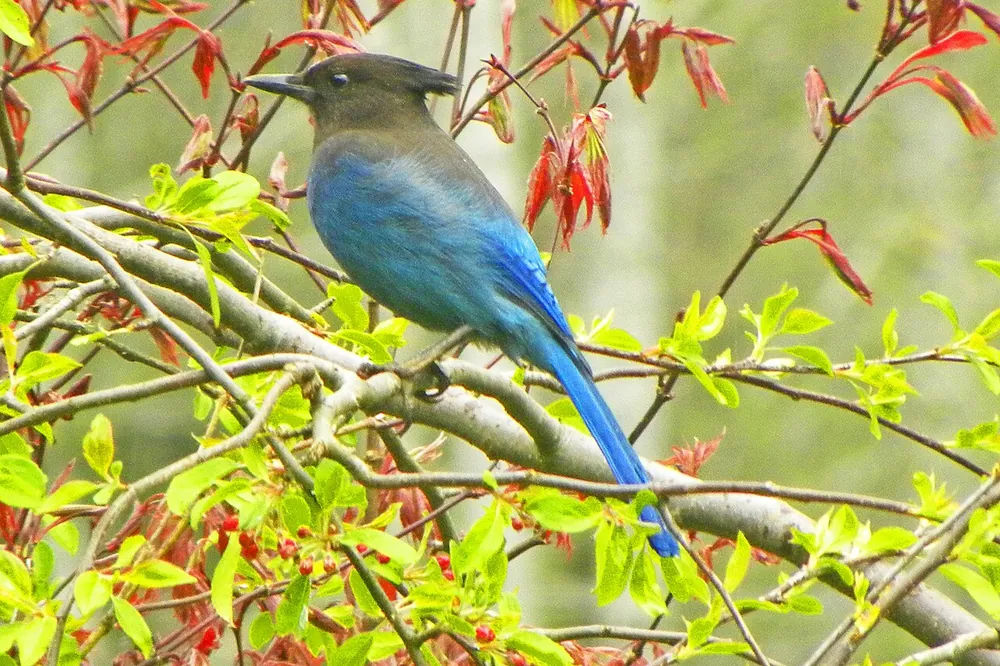
Region
Mountain West
Montana, Idaho, Wyoming, Colorado, New Mexico, Arizona, Utah, and Nevada, the Census Bureau's Mountain division.
Open the hub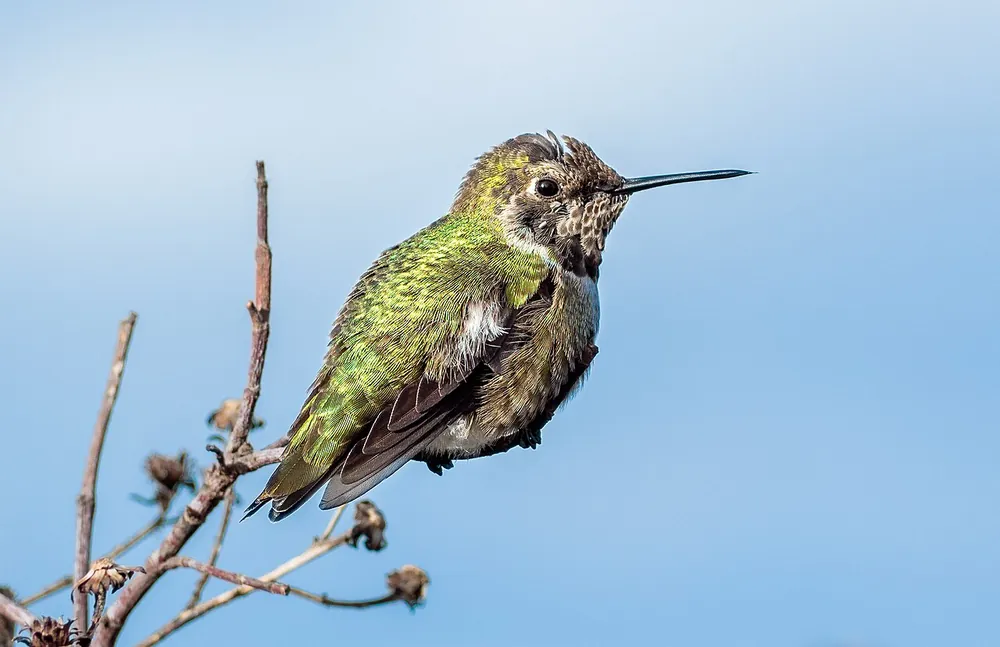
Region
Pacific / California
California, Oregon, Washington, Alaska, and Hawaii, the Census Bureau's Pacific division.
Open the hubTop-state guides
State · eBird first
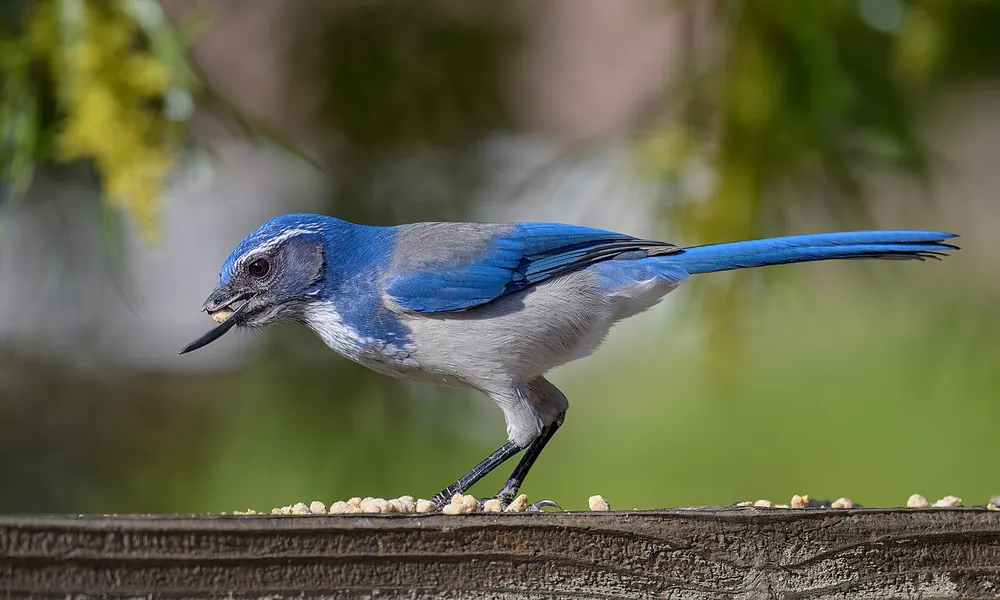
California
388 FeederWatch sites in the November 1–13, 2026 window. 7.46 million eBird checklists when checked November 18, 2026.
Open the state guideState · eBird third
Texas
305 FeederWatch sites in the November 1–13, 2026 window. 4.61 million eBird checklists when checked November 18, 2026.
Open the state guide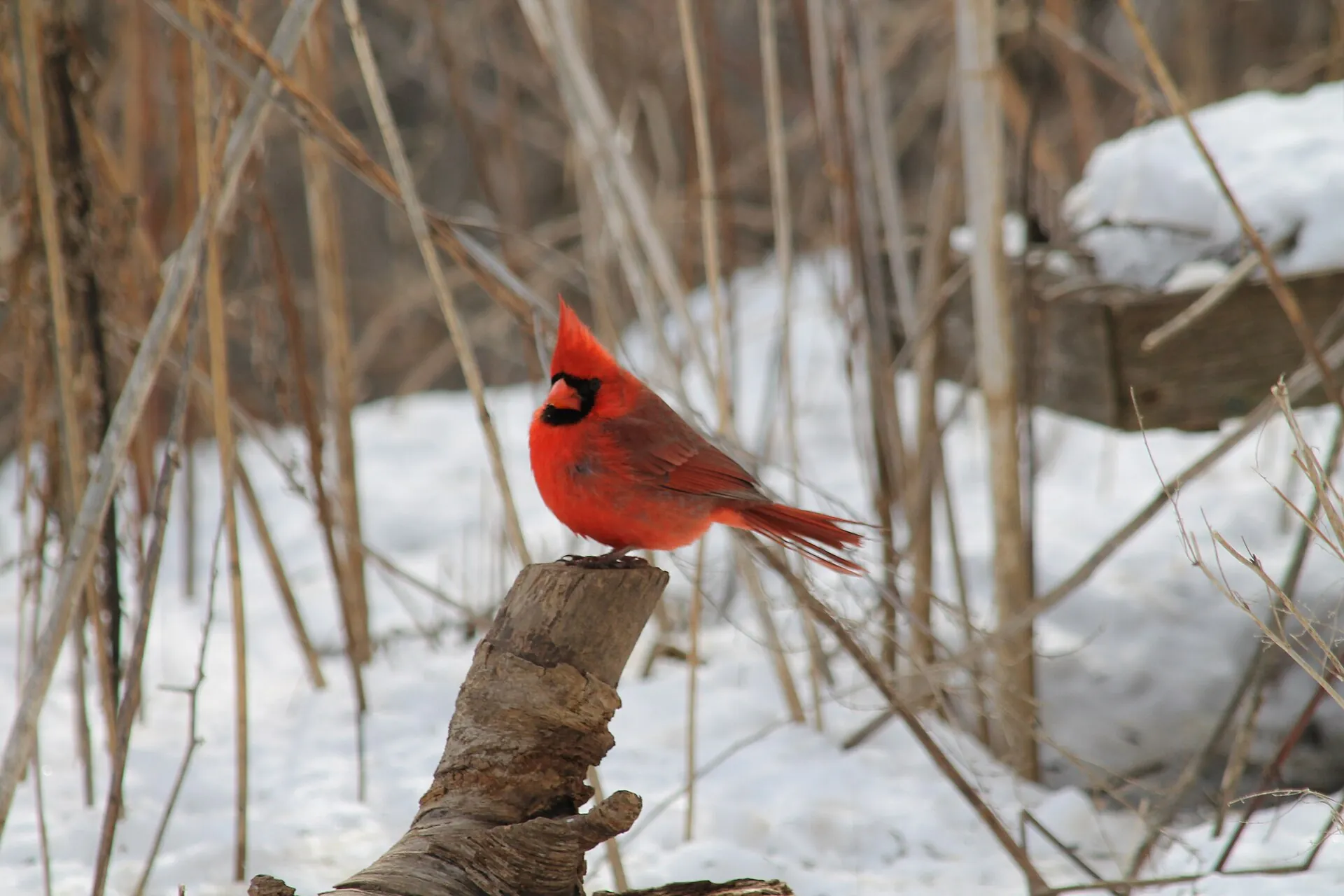
State · eBird fourth
Florida
165 FeederWatch sites in the November 1–13, 2026 window. 3.98 million eBird checklists when checked November 18, 2026.
Open the state guide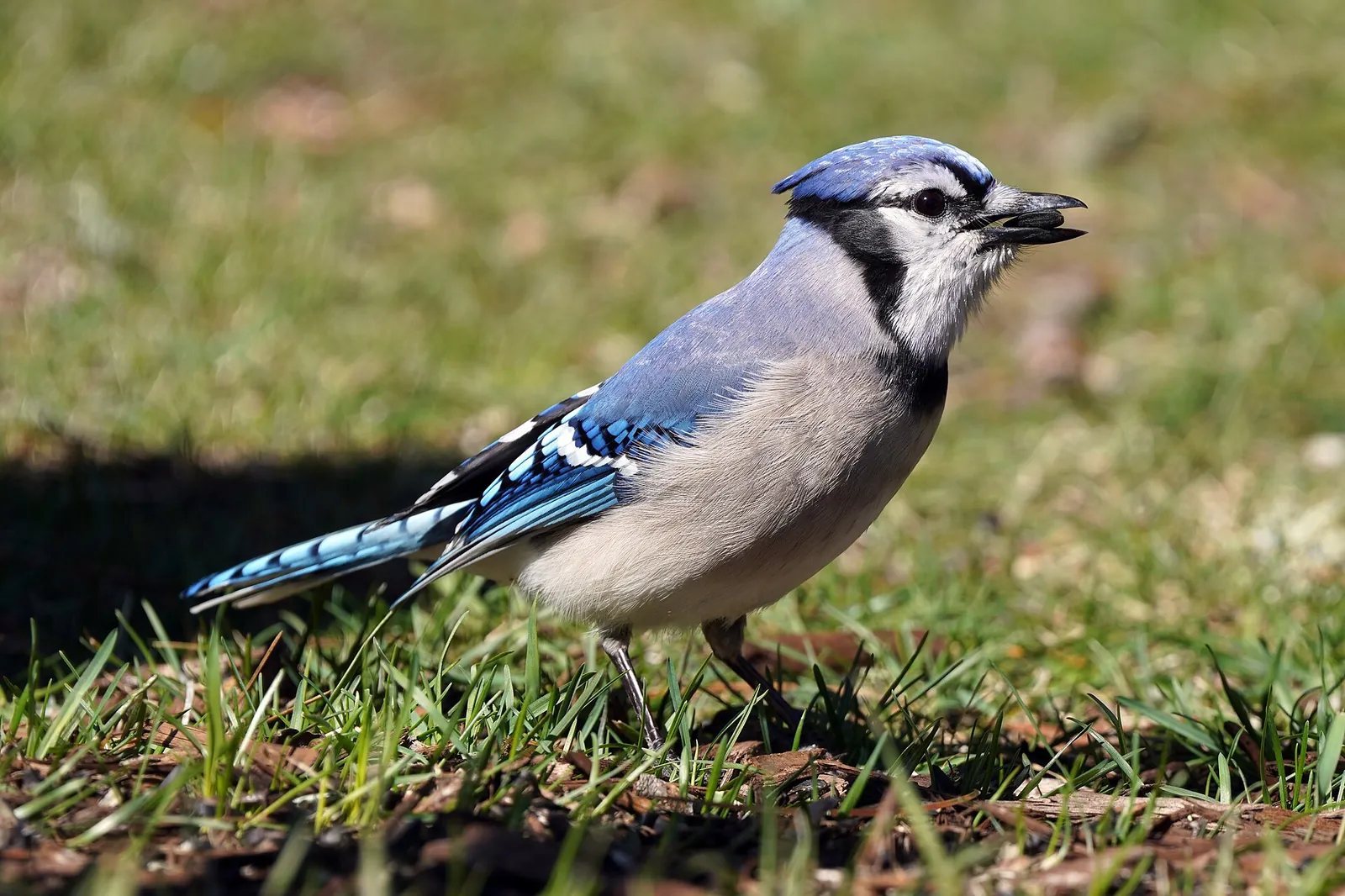
State · eBird second
New York
592 FeederWatch sites in the November 1–13, 2026 window. 4.75 million eBird checklists when checked November 18, 2026.
Open the state guide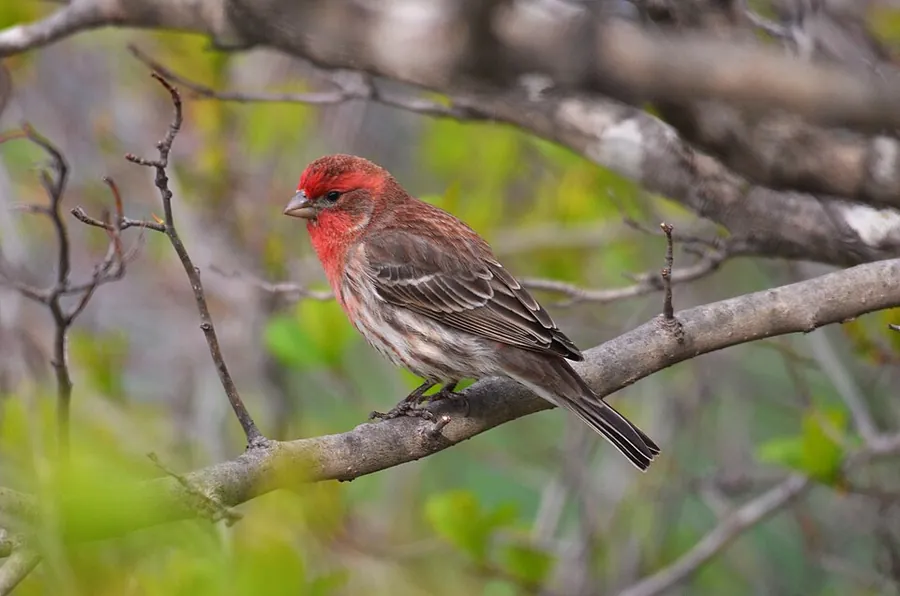
State · eBird fifth
Pennsylvania
416 FeederWatch sites in the November 1–13, 2026 window. 3.59 million eBird checklists when checked November 18, 2026.
Open the state guideState · eBird sixth
Washington
328 FeederWatch sites in the November 1–13, 2026 window. 2.83 million eBird checklists when checked November 18, 2026.
Open the state guideState · eBird seventh, tied with Massachusetts
Ohio
327 FeederWatch sites in the November 1–13, 2026 window. 2.77 million eBird checklists when checked November 18, 2026.
Open the state guideSources
- The U.S. Fish and Wildlife Service, 2022 Birding in the United States: A Demographic and Economic Analysis, for national birder counts, Census division shares, and days spent birding.
- U.S. Fish and Wildlife Service, 2022 National Survey of Fishing, Hunting, and Wildlife-Associated Recreation, for around-the-home wildlife watching, including feeding, by division.
- eBird United States subregions, checklist totals checked November 18, 2026. These are running, all-habitat totals and will change.
- Project FeederWatch, Top 25 Feeder Birds tool, for official full-season and state lists. The November 1–13, 2026 counts quoted here were compiled by Stacker and published November 16, 2026, ranked by percent of sites visited.
- Project FeederWatch, Feeding Birds, and the Cornell Lab of Ornithology, How to Attract Hummingbirds, for seed and nectar guidance.
- Our seed chart and bird-seed buying guide for product matches.