Washington · November 2026
Washington backyard feeder birds
Washington ranked sixth in eBird checklist volume on November 18, 2026, with 328 FeederWatch sites in the November 1–13 window. It is in the Pacific division (15 percent of U.S. birders in 2022; the division with the most avid away-from-home birders in the USFWS report).
What showed up in early November 2026
The ranking below is the most common birds reported near feeders in Washington from November 1–13, 2026, compiled by Stacker from Project FeederWatch. Birds are ranked by the percent of 328 count sites that reported each species. Ties are broken by average group size when seen. This is an early-season window, not the official full-season Top 25. For the completed-season list, use the FeederWatch Top 25 tool.
| Rank | Species | Sites visited | Avg. group |
|---|---|---|---|
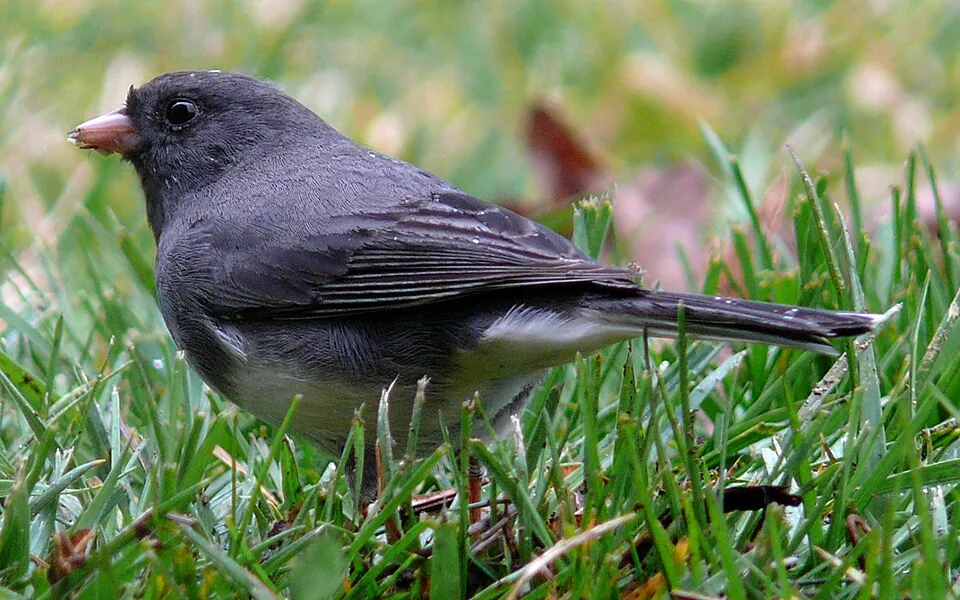
| 1 | Dark-eyed Junco | 92.4% | 4.91 |
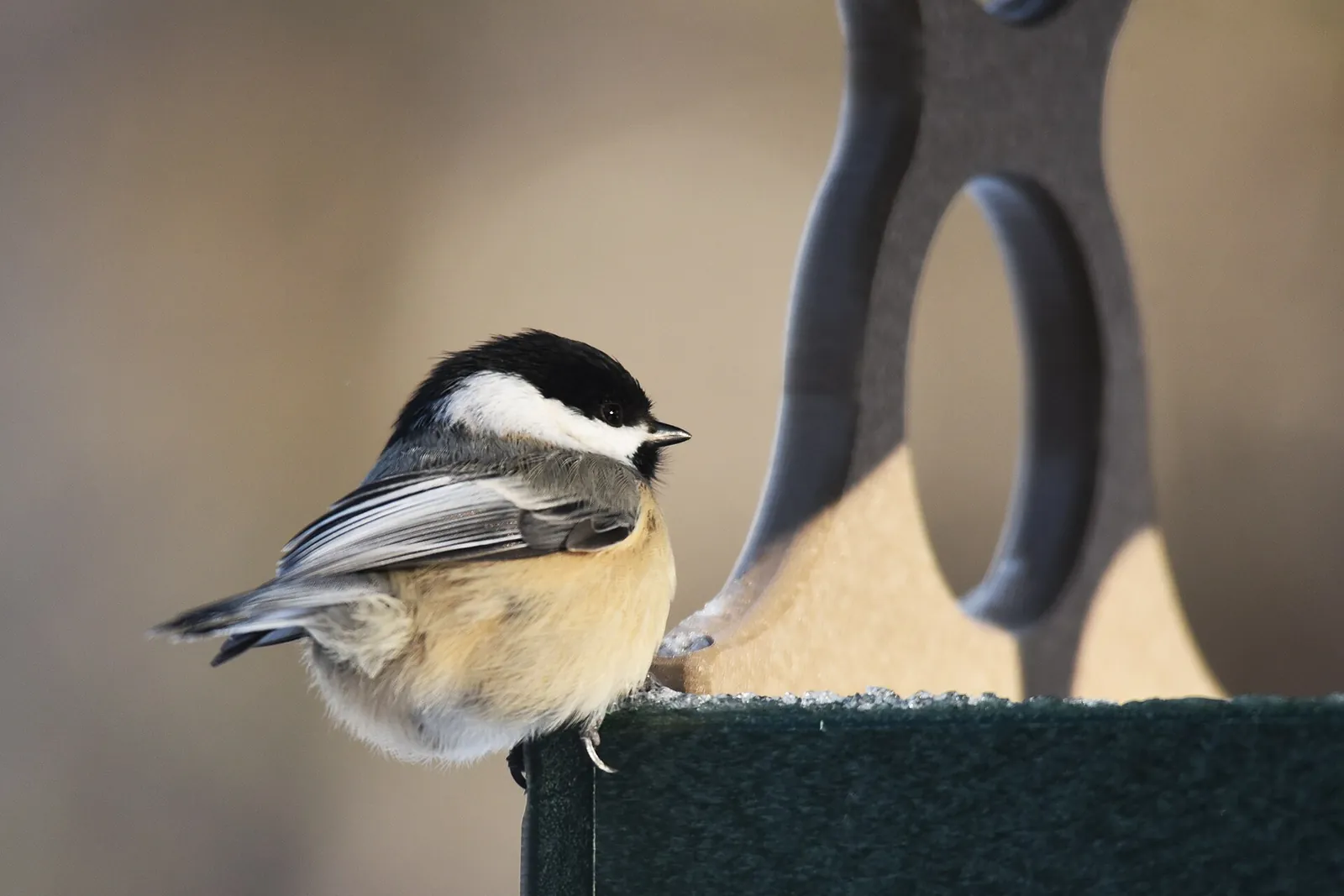
| 2 | Black-capped Chickadee | 79.6% | 2.20 |
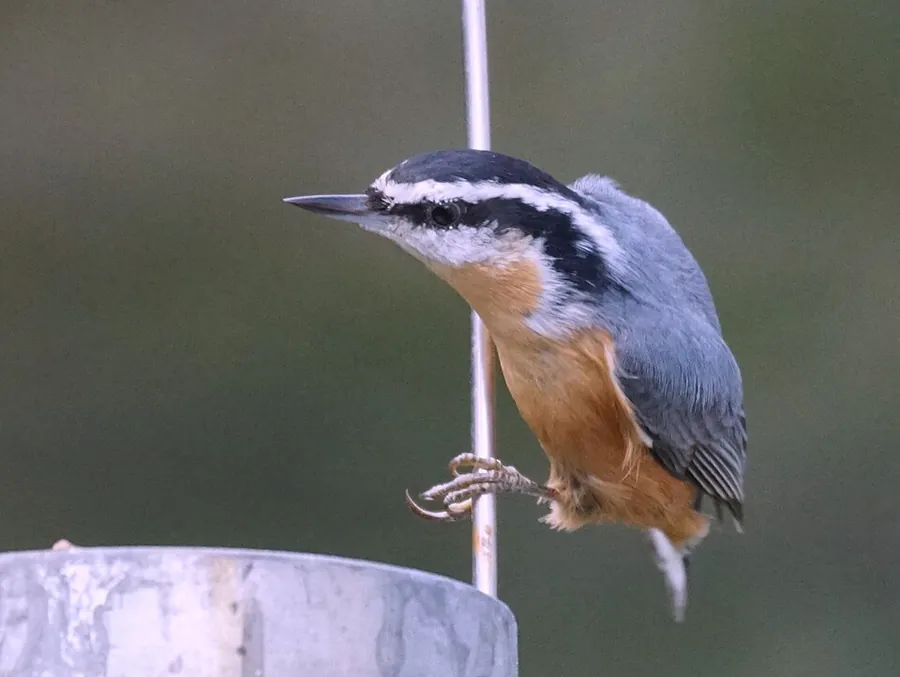
| 3 | Red-breasted Nuthatch | 69.8% | 1.59 |
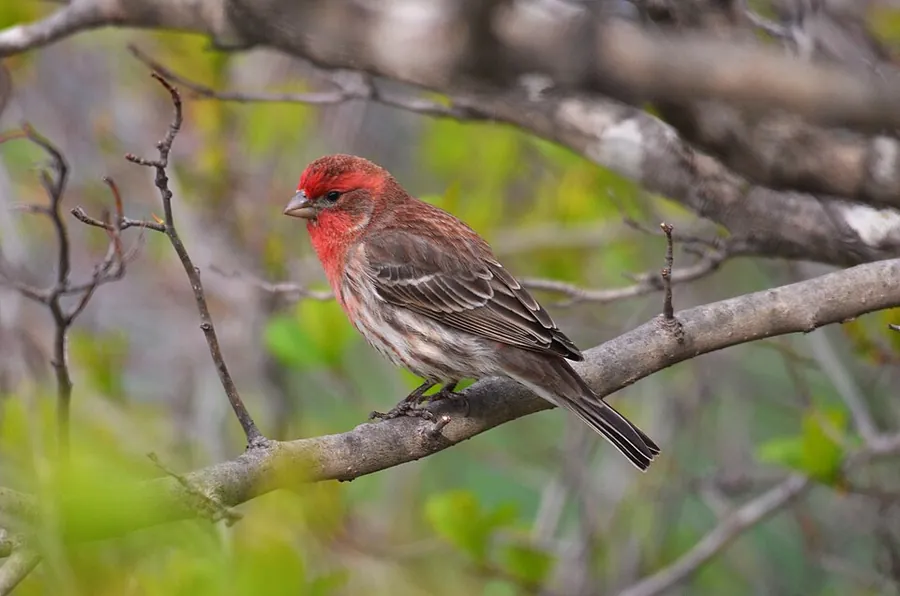
| 4 | House Finch | 67.7% | 3.33 |
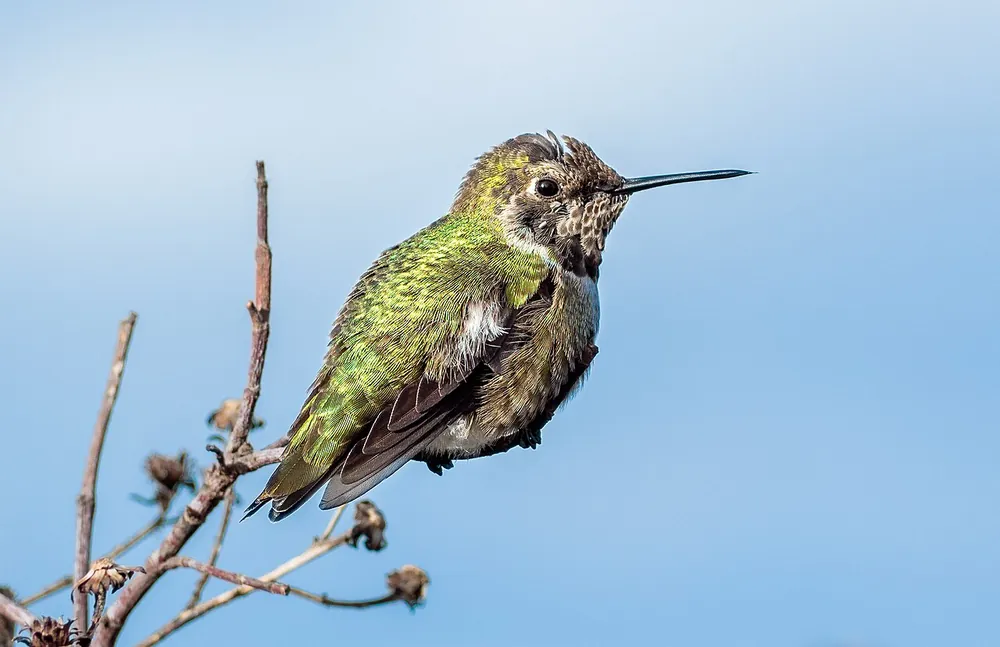
| 5 | Anna's Hummingbird | 66.2% | 1.60 |
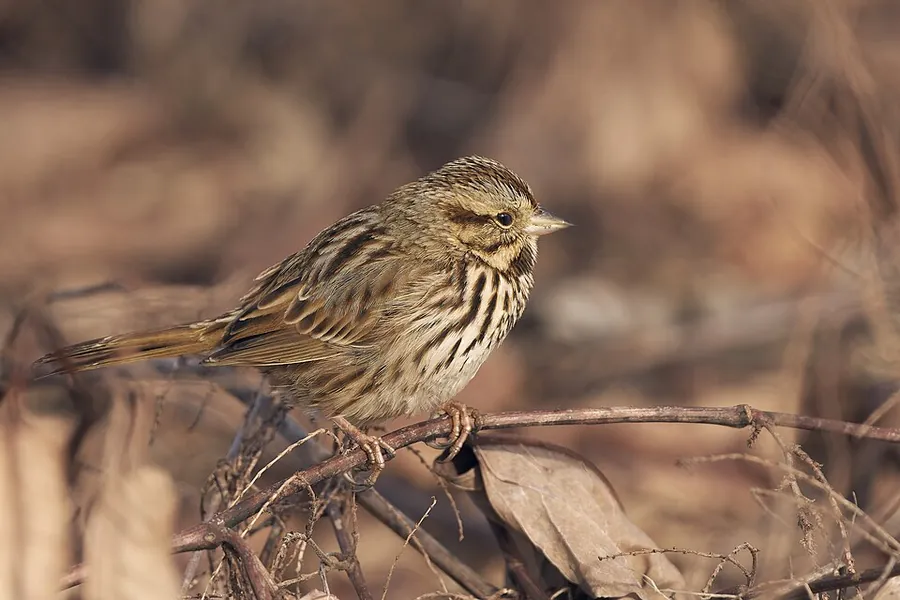
| 6 | Song Sparrow | 63.7% | 1.46 |
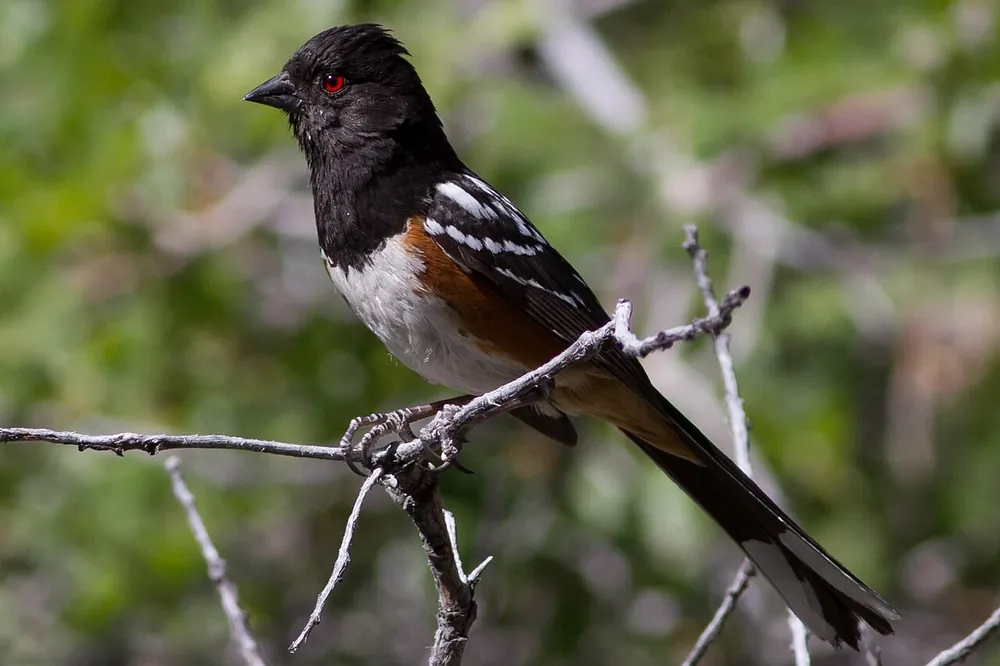
| 7 | Spotted Towhee | 63.4% | 1.71 |
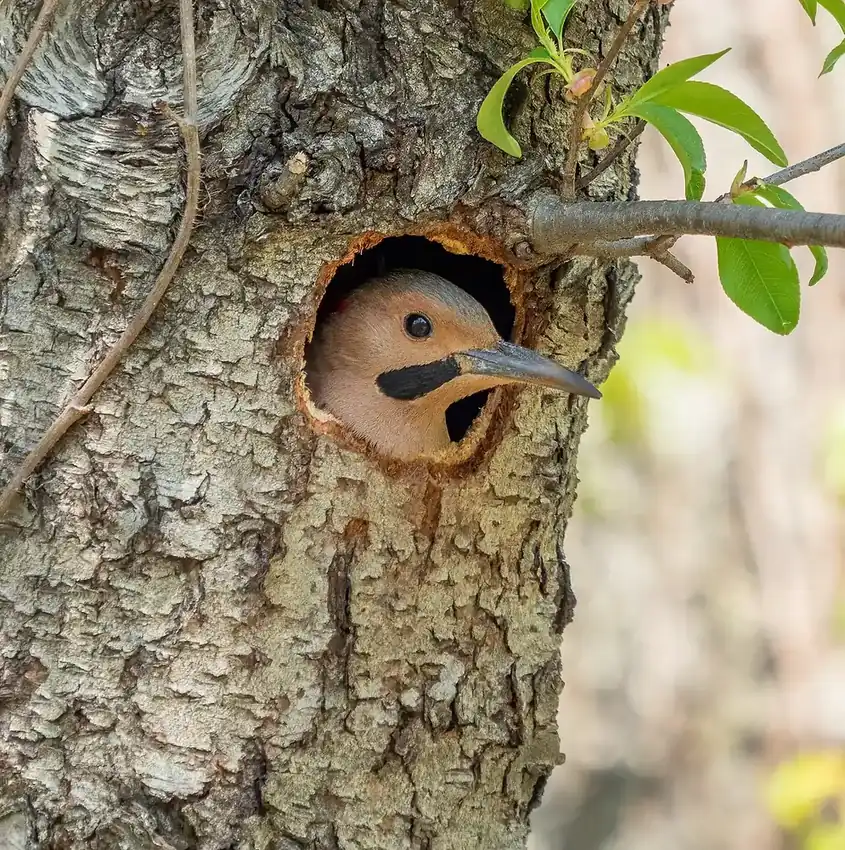
| 8 | Northern Flicker | 58.5% | 1.60 |
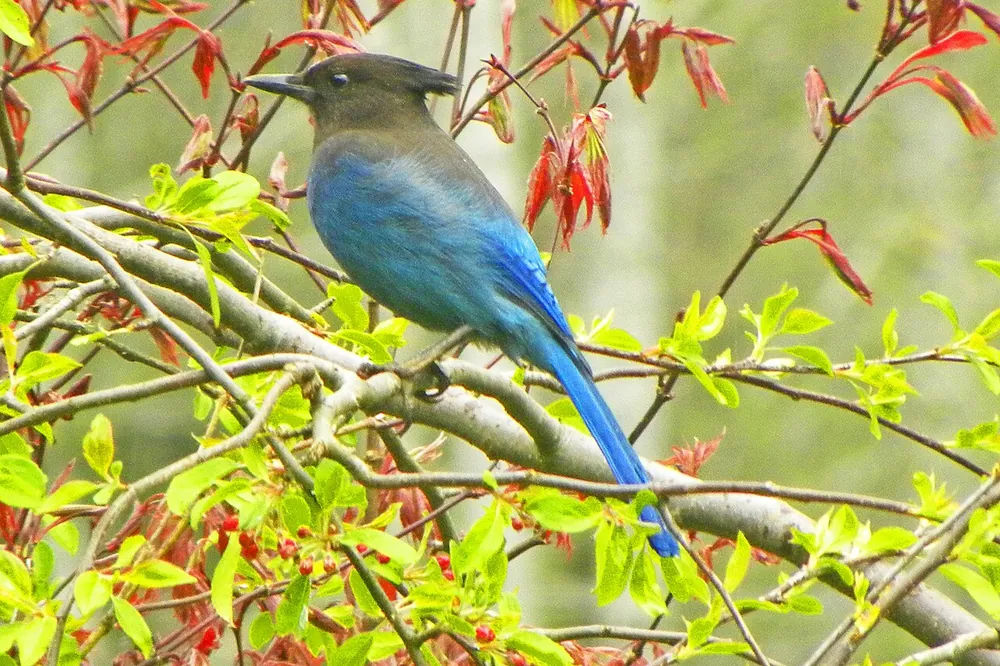
| 9 | Steller's Jay | 57.3% | 2.17 |
| 10 | Chestnut-backed Chickadee | 55.5% | 2.10 |
What to pour
Dark-eyed Junco was reported at 92.4 percent of Washington count sites, the highest junco figure in this set, with a relatively large average group size (4.91). Sunflower chips or a tray of mixed seed, plus black-oil sunflower for House Finch and chickadees, is the core. Suet and peanuts help Red-breasted Nuthatch, Northern Flicker, and Steller's Jay. Anna's Hummingbird at 66.2 percent of sites means nectar belongs on a November Washington list, not only a July list. Cornell's hummingbird feeding guidance applies here too.
Those buttons go to matching Amazon.com product pages in canonical /dp/ASIN form, with no tracking tag. Read the affiliate disclosure and the seed buying guide before you buy.
Seasonal notes
Spotted Towhee, Steller's Jay, and Chestnut-backed Chickadee are Pacific Northwest signatures. East of the Cascades the mix shifts; use the official FeederWatch Top 25 tool for a closer county-level read. Pine Siskin was 15th at 25.6 percent of sites in this early window, present, but not a promise of a huge irruption.
This page is part of the Pacific / California hub. For identification help that is not limited to one state, see the national backyard bird ID.
Sources
- The U.S. Fish and Wildlife Service, 2022 Birding in the United States: A Demographic and Economic Analysis, for national birder counts, Census division shares, and days spent birding.
- U.S. Fish and Wildlife Service, 2022 National Survey of Fishing, Hunting, and Wildlife-Associated Recreation, for around-the-home wildlife watching, including feeding, by division.
- eBird United States subregions, checklist totals checked November 18, 2026. These are running, all-habitat totals and will change.
- Project FeederWatch, Top 25 Feeder Birds tool, for official full-season and state lists. The November 1–13, 2026 counts quoted here were compiled by Stacker and published November 16, 2026, ranked by percent of sites visited.
- Project FeederWatch, Feeding Birds, and the Cornell Lab of Ornithology, How to Attract Hummingbirds, for seed and nectar guidance.
- Our seed chart and bird-seed buying guide for product matches.
- Stacker, Most commonly seen birds in Washington, published November 16, 2026, using Project FeederWatch data from November 1–13, 2026, at 328 count sites.