Pennsylvania · November 2026
Pennsylvania backyard feeder birds
Pennsylvania ranked fifth in eBird checklist volume on November 18, 2026, with 416 FeederWatch sites in the first two weeks of the season. Like New York, it is in the Middle Atlantic division (12 percent of U.S. birders in 2022).
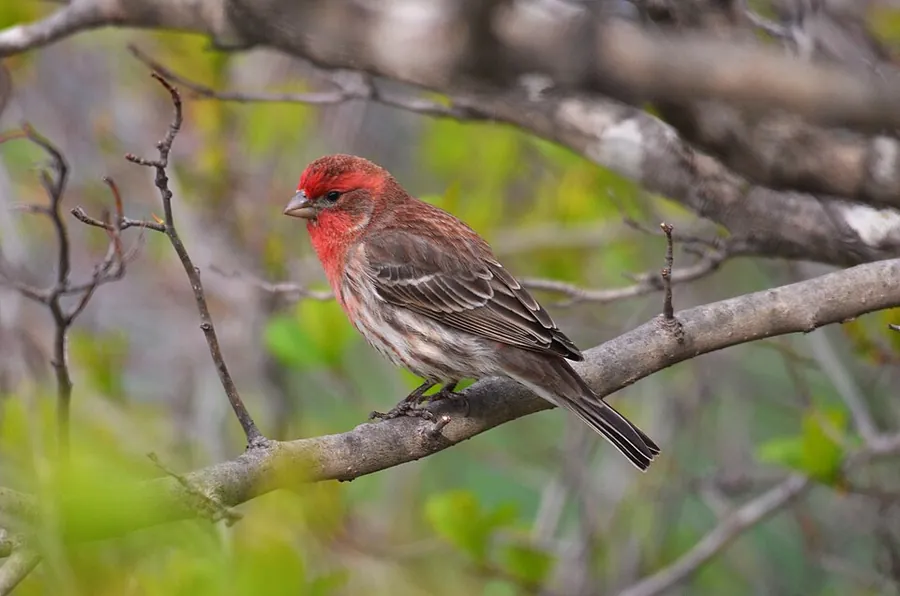
What showed up in early November 2026
The ranking below is the most common birds reported near feeders in Pennsylvania from November 1–13, 2026, compiled by Stacker from Project FeederWatch. Birds are ranked by the percent of 416 count sites that reported each species. Ties are broken by average group size when seen. This is an early-season window, not the official full-season Top 25. For the completed-season list, use the FeederWatch Top 25 tool.
| Rank | Species | Sites visited | Avg. group |
|---|---|---|---|
| 1 | House Finch | 75.0% | 3.20 |
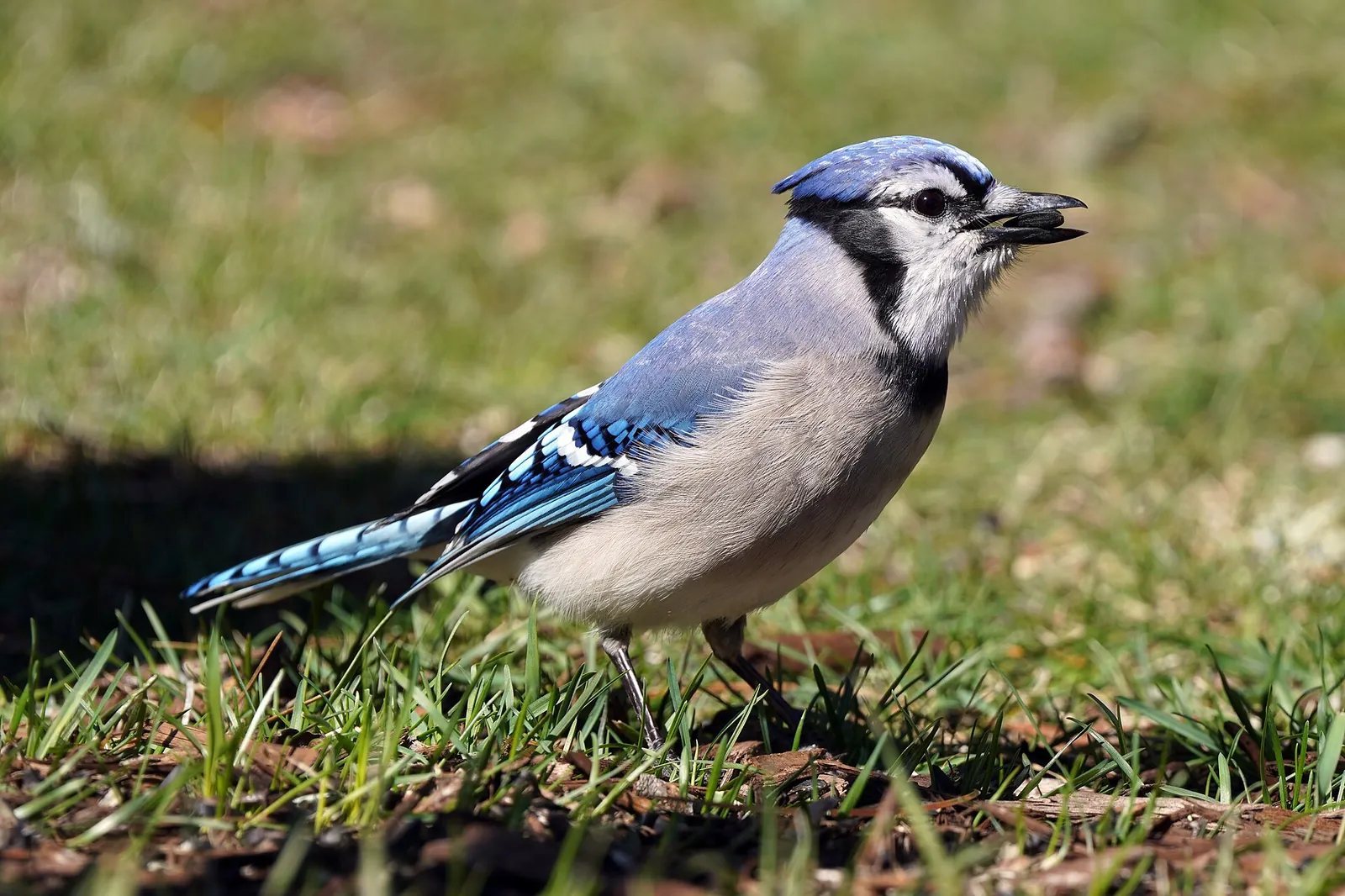
| 2 | Blue Jay | 73.8% | 2.29 |
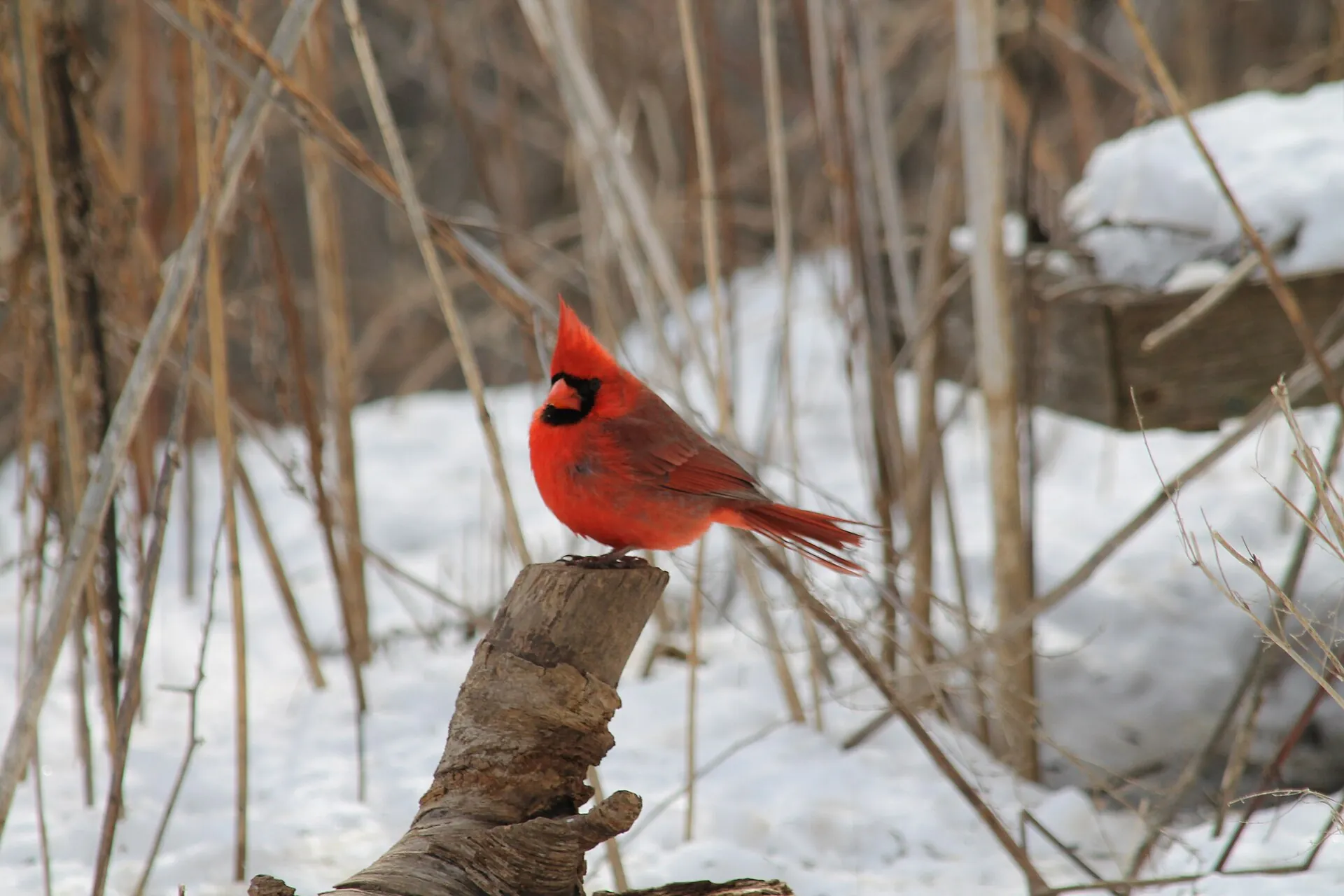
| 3 | Northern Cardinal | 73.1% | 1.88 |
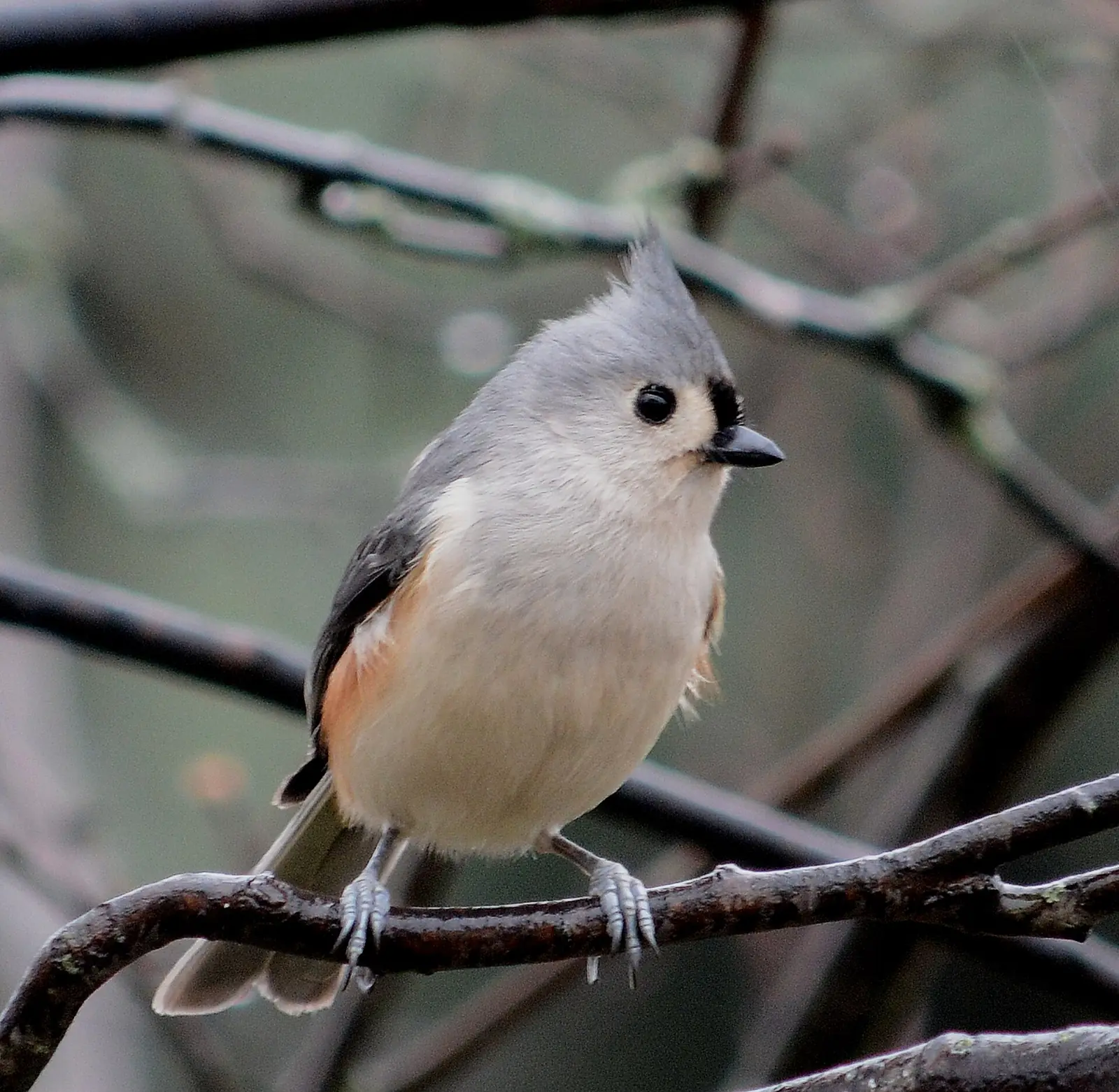
| 4 | Tufted Titmouse | 71.4% | 1.95 |
| 5 | White-breasted Nuthatch | 68.0% | 1.39 |
| 6 | Downy Woodpecker | 68.0% | 1.27 |
| 7 | Mourning Dove | 67.1% | 3.03 |
| 8 | Dark-eyed Junco | 67.1% | 2.16 |
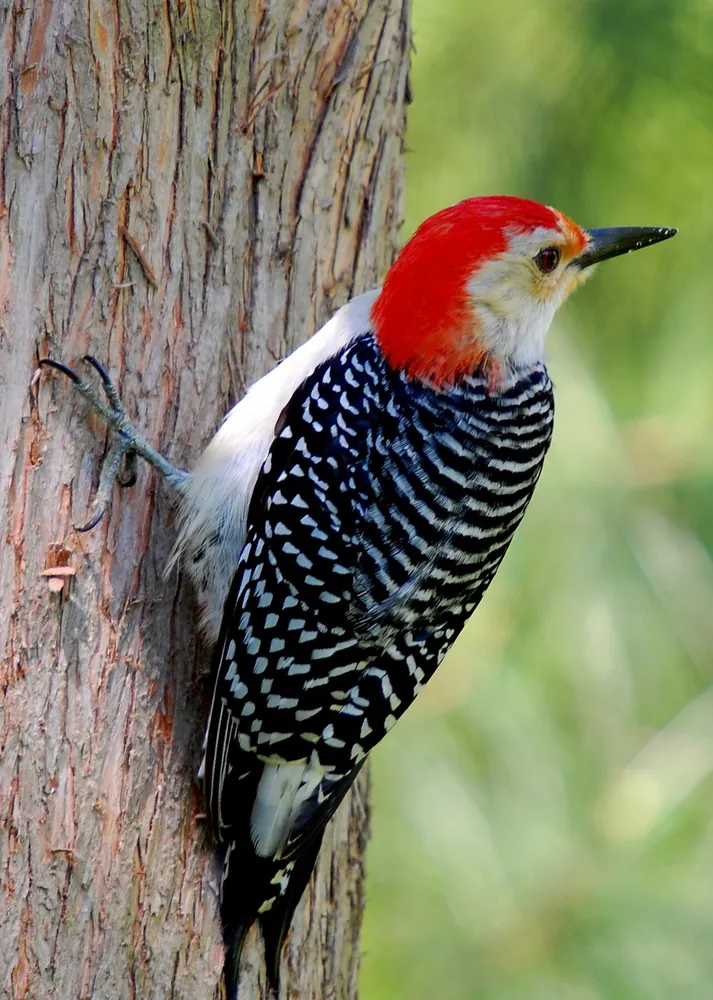
| 9 | Red-bellied Woodpecker | 63.0% | 1.08 |
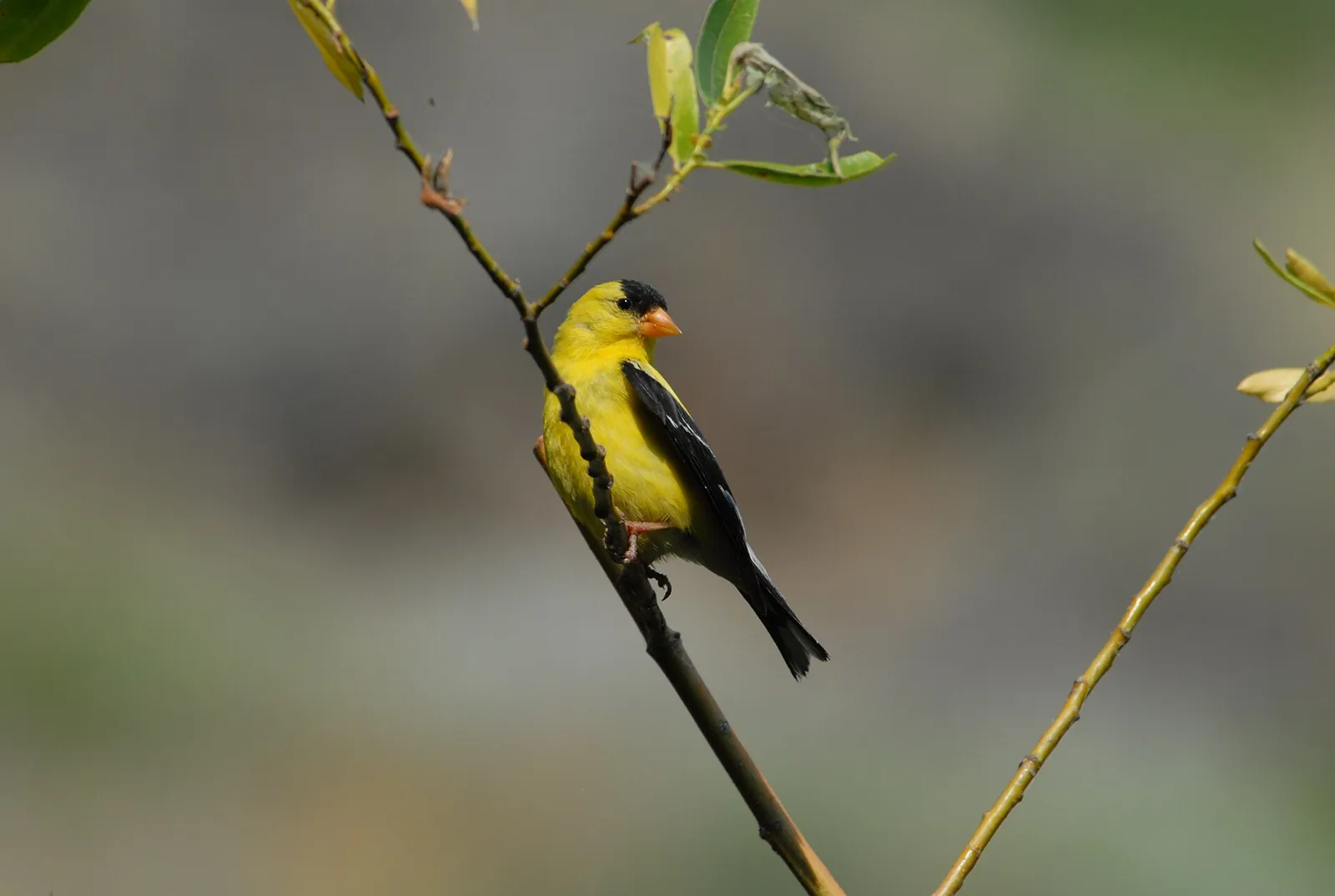
| 10 | American Goldfinch | 54.8% | 3.03 |
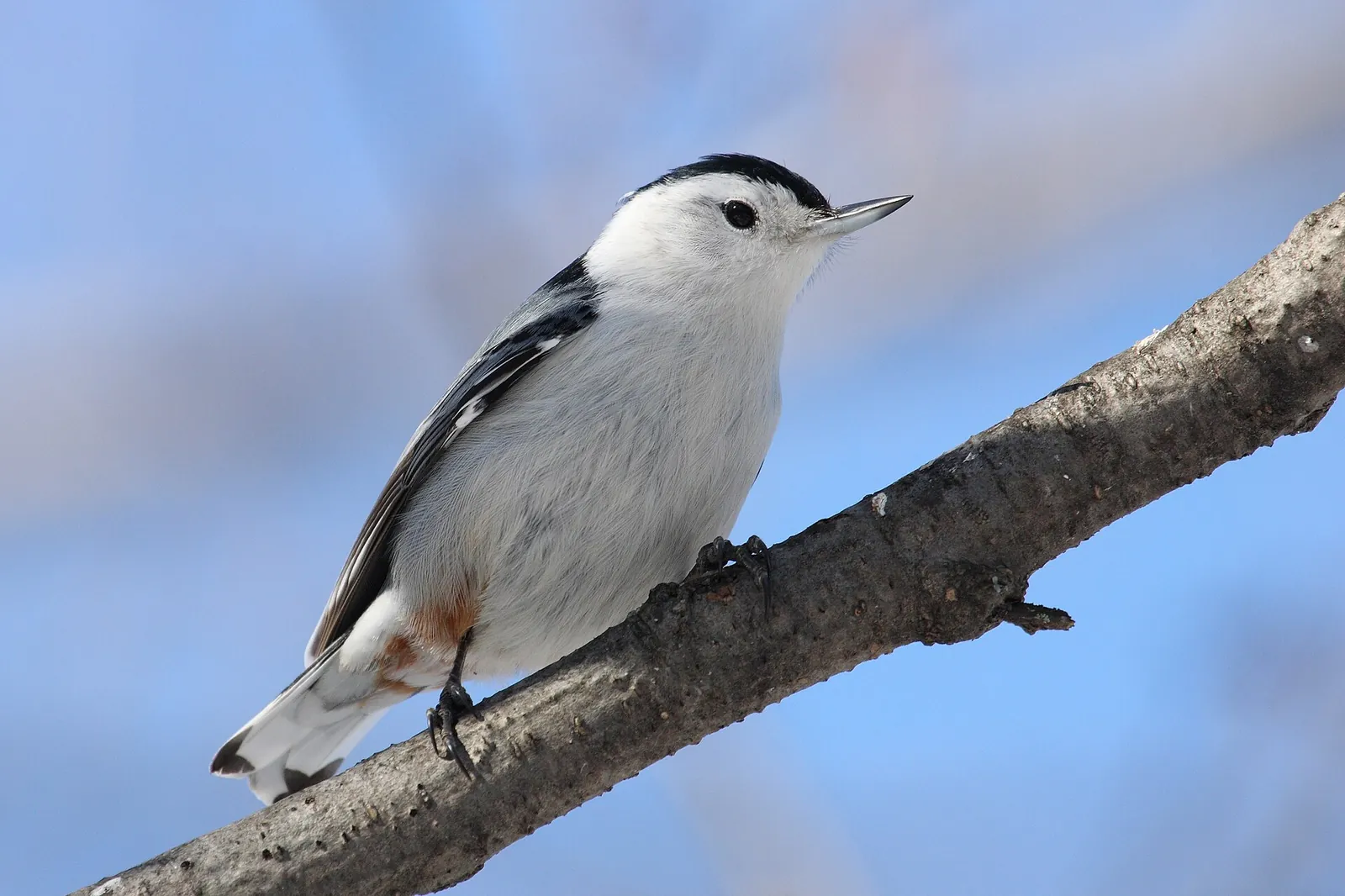
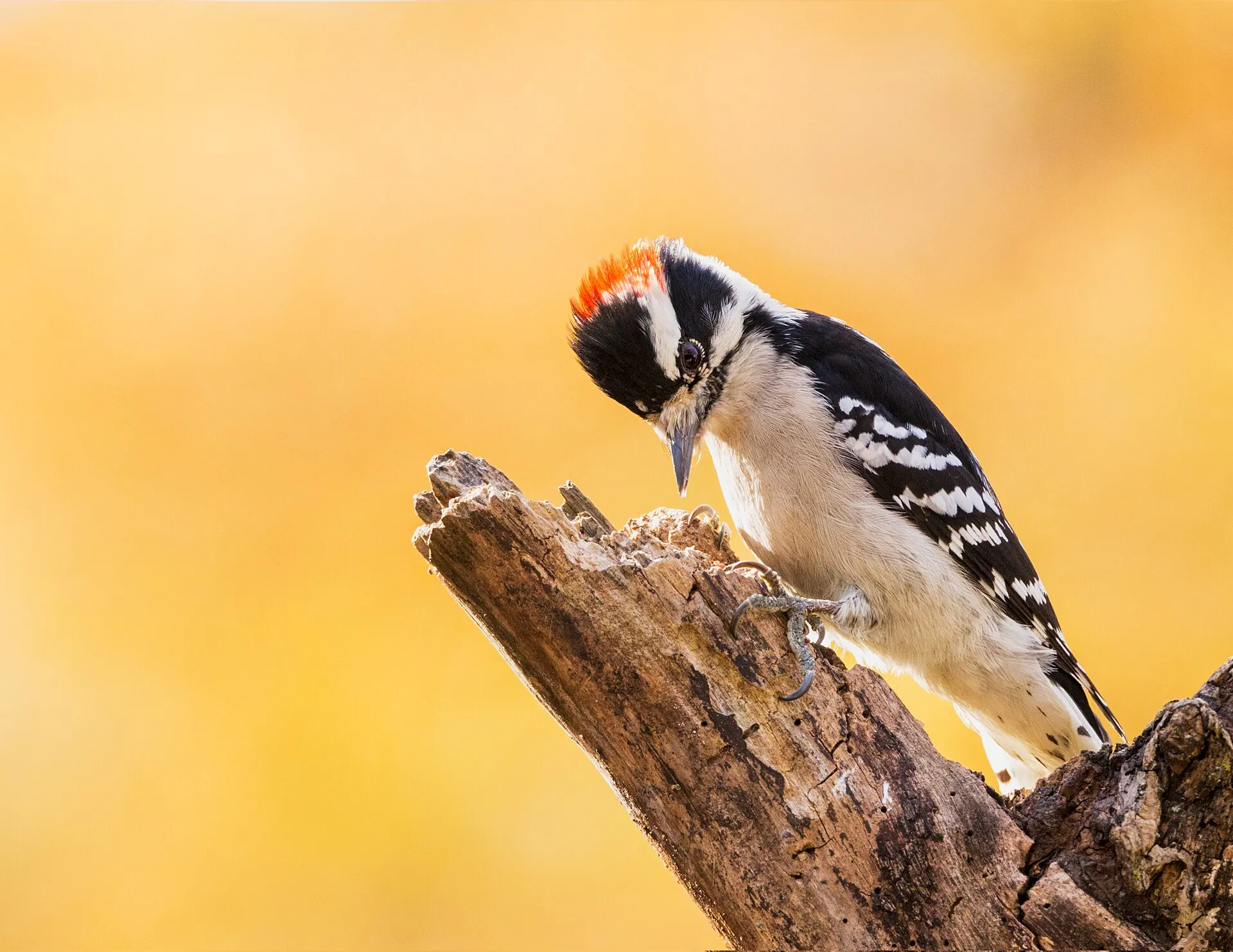
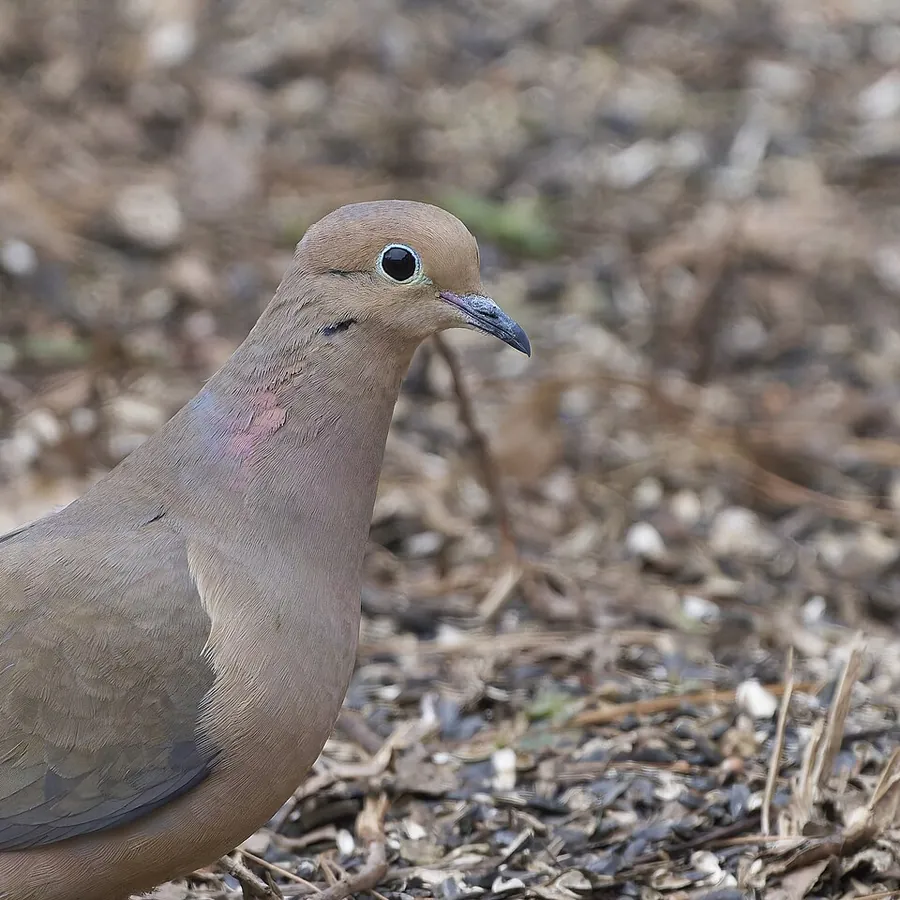
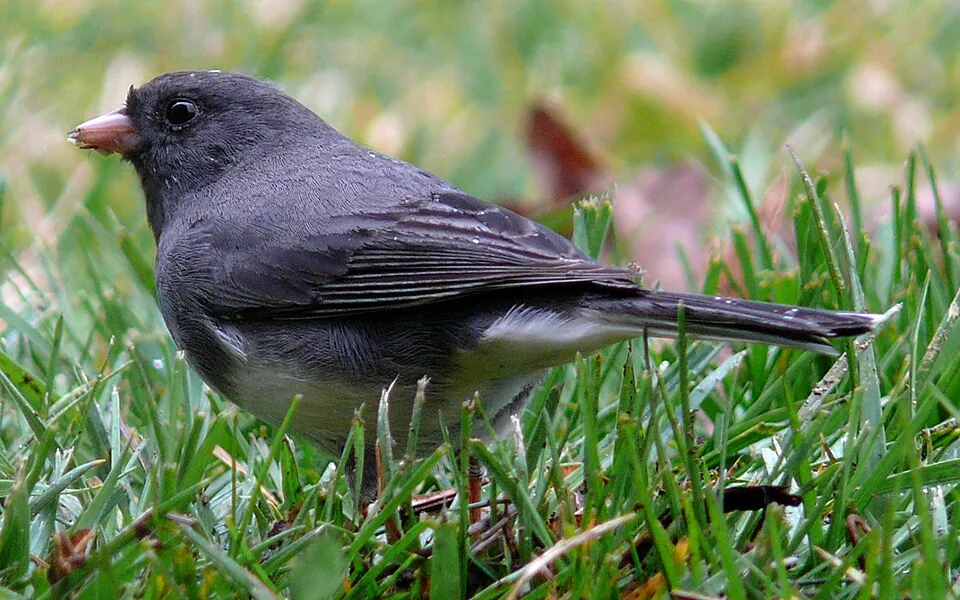
What to pour
House Finch led Pennsylvania in this window, just ahead of Blue Jay and Northern Cardinal, a reminder that a mid-Atlantic yard is both a sunflower yard and a finch yard. Black-oil sunflower, a no-mess hulled mix, suet, and nyjer cover the top ten. Red-bellied Woodpecker, at 63.0 percent of sites, is more regular here than in far northern New England.
Those buttons go to matching Amazon.com product pages in canonical /dp/ASIN form, with no tracking tag. Read the affiliate disclosure and the seed buying guide before you buy.
Seasonal notes
Black-capped Chickadee was 12th in this early Pennsylvania list (37.3 percent of sites), lower than in New York, because the Carolina / Black-capped contact zone crosses the state. If you are identifying a chickadee, use a current range map and voice, not this statewide percentage alone. Carolina Wren made the extended list at 32.5 percent of sites and is now a regular winter bird across much of Pennsylvania.
This page is part of the Northeast hub. For identification help that is not limited to one state, see the national backyard bird ID.
Sources
- The U.S. Fish and Wildlife Service, 2022 Birding in the United States: A Demographic and Economic Analysis, for national birder counts, Census division shares, and days spent birding.
- U.S. Fish and Wildlife Service, 2022 National Survey of Fishing, Hunting, and Wildlife-Associated Recreation, for around-the-home wildlife watching, including feeding, by division.
- eBird United States subregions, checklist totals checked November 18, 2026. These are running, all-habitat totals and will change.
- Project FeederWatch, Top 25 Feeder Birds tool, for official full-season and state lists. The November 1–13, 2026 counts quoted here were compiled by Stacker and published November 16, 2026, ranked by percent of sites visited.
- Project FeederWatch, Feeding Birds, and the Cornell Lab of Ornithology, How to Attract Hummingbirds, for seed and nectar guidance.
- Our seed chart and bird-seed buying guide for product matches.
- Stacker, Most commonly seen birds in Pennsylvania, published November 16, 2026, using Project FeederWatch data from November 1–13, 2026, at 416 count sites.