
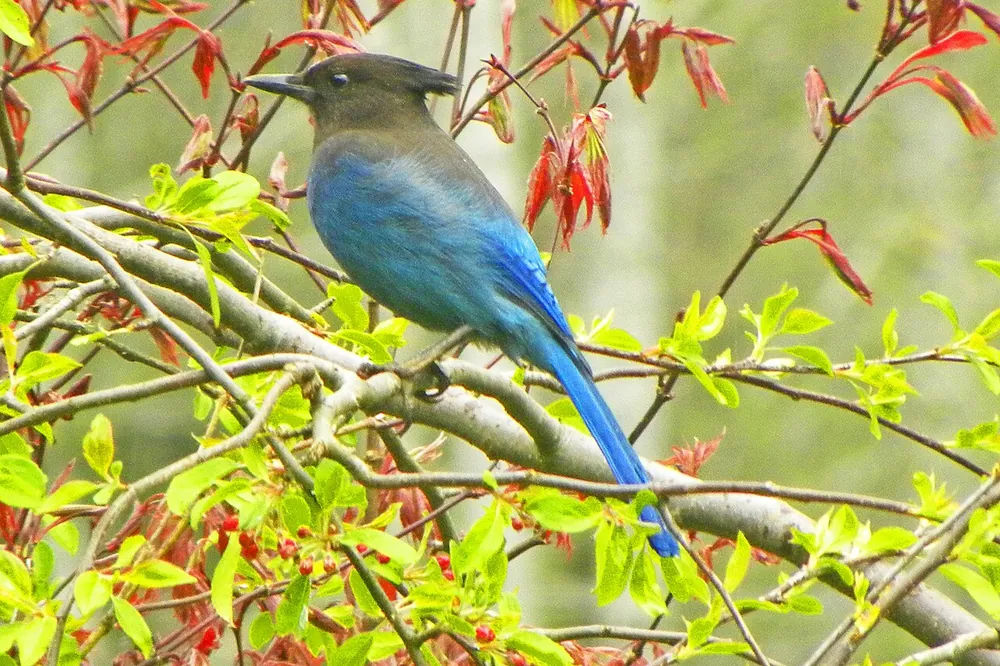
Licensed photograph; full credit on the image credits page.
How to attract Steller's Jays
Peanuts and sunflower in a hopper or on a platform work in western conifer country. A black-crested, deep-blue jay of the Rockies to the Pacific, not a Blue Jay.
- Food Black-oil sunflower; Hulled sunflower
- Feeder Ground, Large hopper, Large tube, Platform, Suet cage
- Range West mountains and Northwest
Quick ID
A crested, black-and-blue jay of western forests, with a black head and a deep blue body. It is the mountain and Northwest counterpart of the Blue Jay, not a dark scrub-jay.
Favorite foods, ranked
Ranked from Project FeederWatch and the Cornell Lab, checked November 19, 2026. Favorites first. Individual birds and regions vary.
- Black-oil sunflower seeds
Listed by FeederWatch. Cornell’s preference tests also found that Steller’s Jays would take milo, sometimes ahead of sunflower, so both grains are on this official list.
- Hulled sunflower seeds
Listed by FeederWatch.
- Peanuts
Listed by FeederWatch, with peanut hearts as well.
- Peanut hearts
Listed by FeederWatch.
- Suet
Listed by FeederWatch.
- Cracked corn
Listed by FeederWatch.
- Mealworms
Listed by FeederWatch.
- Millet
Listed by FeederWatch.
- Milo
Listed by FeederWatch. Cornell’s seed guide notes that in Lab seed-preference tests, Steller’s Jays (along with some other western ground-feeding birds) preferred milo to sunflower.
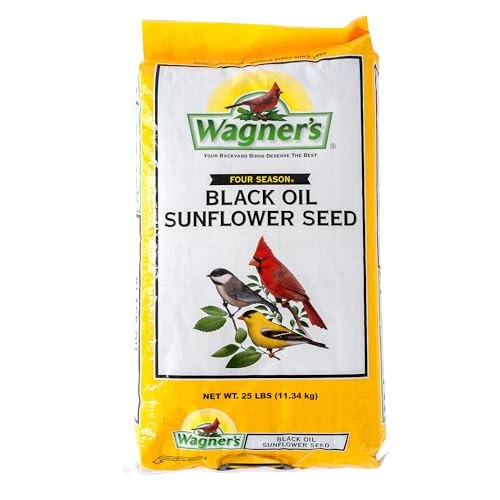
Wagner's Four Season Black Oil Sunflower Seed
Best for: a bulk bag of straight black-oil sunflower · Under $45 · 25 lb
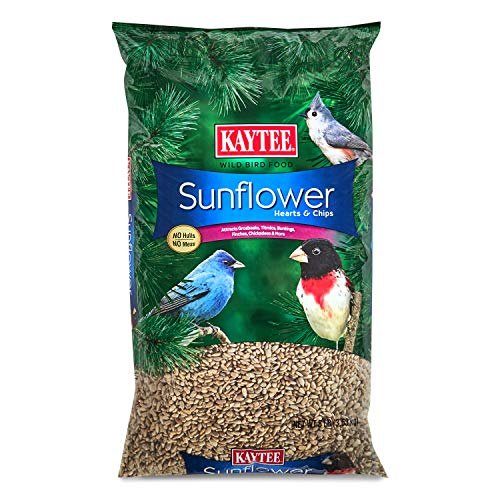
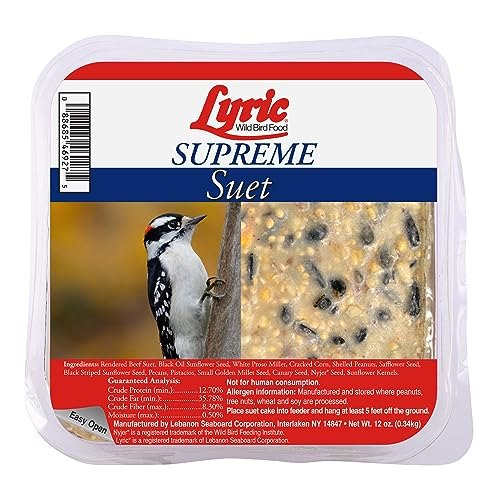
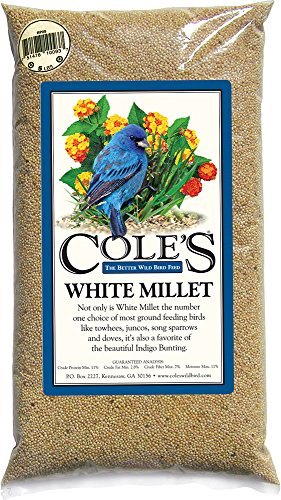
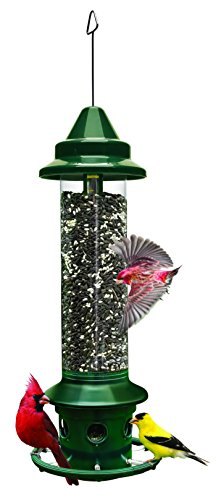
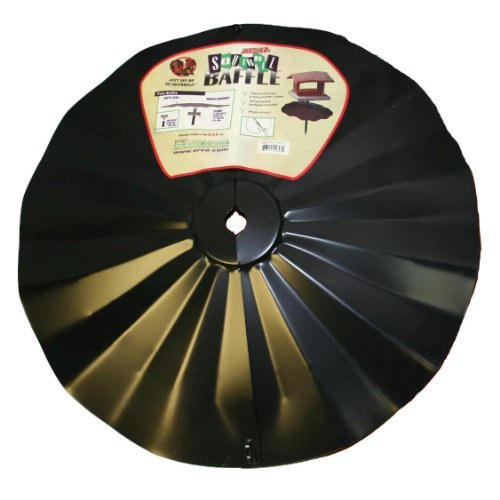
Budget picks
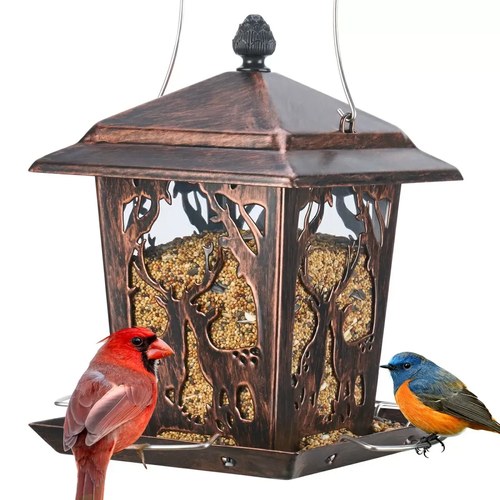
Kingsyard Metal Hopper Feeder
Best for: cardinals and mixed seed on a tight budget · Under $20
Buttons go to title-checked Amazon product pages. As an Amazon Associate, Feeder Almanac earns from qualifying purchases. Read the affiliate disclosure.
Best feeder type
Project FeederWatch lists: Ground, Large hopper, Large tube feeder, Platform, Suet cage.
FeederWatch lists ground, a large hopper, a large tube, a platform, and a suet cage. A sturdy hopper or platform, plus suet, matches the official list.
Placement, cover, and water
Cornell Lab advice on feeder placement is the same starting point for every species on this page. Place a feeder where you can see it, and keep it safe from windows and predators. The Lab says feeders are often safest closer than 3 feet to a picture window (or mounted on the glass), because a bird that hits the glass from that short hop is not at full speed. Offer nearby cover — evergreens are ideal — so birds can rest and escape a hawk, but keep the feeder about 10 feet from branches and shrubs so squirrels and cats cannot use them as a launch point. See Where to Put Your Bird Feeder.
A shallow, clean birdbath helps as much as an extra bag of seed. Cornell recommends water close to cover, easy to clean, and preferably with a little motion on the surface. Keep it filled, and scrub it often enough that algae does not take over. In cold weather, keep water open rather than adding antifreeze or glycerin, which can mat feathers.
Season and range
A bird of western conifer forests, from the Rockies to the Pacific. It appeared on the early November 2026 Colorado FeederWatch list and is a regular in mountain and Northwest yards. See All About Birds for the map, including coastal and interior forms.
A year-round resident in much of its range, with some downslope movement in winter. Peanuts, sunflower, suet, and corn — foods FeederWatch lists — are the cold-season staples.
Sources
- Project FeederWatch, Common Feeder Birds tool, for the foods and feeder types listed on this page, checked November 19, 2026.
- Project FeederWatch, Food Types and Feeder Types.
- Cornell Lab of Ornithology, Feeding Birds: a Quick Guide to Seed Types; How to Choose the Right Kind of Bird Feeder; and Where to Put Your Bird Feeder.
- Cornell Lab of Ornithology, All About Birds: Steller's Jay, for identification and range. Check that page for the current map.
- National Audubon Society, The Audubon Guide to Winter Bird Feeding and the Audubon Guide to Bird Feeding (PDF), for food, water, cover, and feeder-level advice that complements the Cornell placement guidance.
- Our seed chart and bird-seed buying guide for product matches. Amazon buttons go to product pages already title-checked for this site. As an Amazon Associate, Feeder Almanac earns from qualifying purchases.