
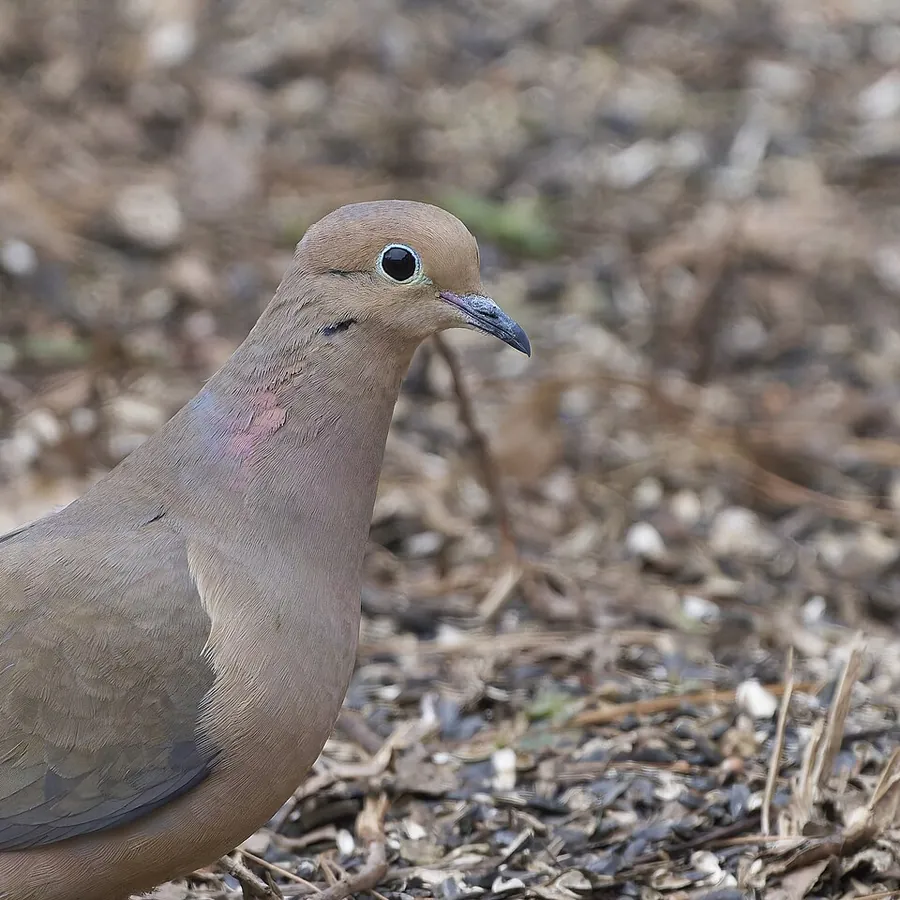
Licensed photograph; full credit on the image credits page.
How to attract Mourning Doves
Millet and sunflower on a tray or the ground will bring them in. A slim, tan dove with a pointed tail, present in every region hub on this site.
- Food Millet; Black-oil sunflower
- Feeder Ground, Large hopper, Platform
- Range Nationwide
Quick ID
A slim, tan dove with a pointed tail, a black cheek spot, and a soft whistling flight. It prefers a tray or the ground under a hopper to a small-port tube.
Favorite foods, ranked
Ranked from Project FeederWatch and the Cornell Lab, checked November 19, 2026. Favorites first. Individual birds and regions vary.
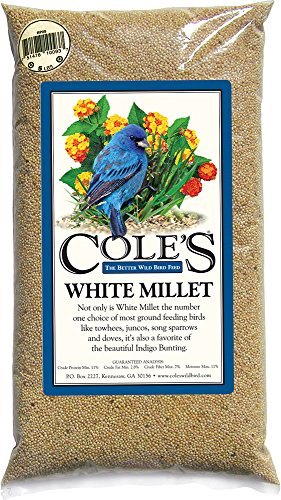
- Millet
Cornell names doves among the ground-feeding birds that favor white millet. FeederWatch lists millet for Mourning Dove.
- Black-oil sunflower seeds
Listed by FeederWatch. Doves often eat oilers that fall under a hanging feeder.
- Hulled sunflower seeds
Listed by FeederWatch.
- Cracked corn
Listed by FeederWatch. Cornell recommends cracked corn, often mixed with millet, on the ground or a platform for doves.
- Milo
Listed by FeederWatch. Cornell’s tests found milo useful to some doves and western ground-feeders.
- Safflower
Listed by FeederWatch.
- Peanut hearts
Listed by FeederWatch.
- Nyjer
Listed by FeederWatch, usually as seed spilled from a finch feeder rather than as a dove specialty.
- Oats
Listed by FeederWatch; the food-type page names doves among species most likely to take oats on a platform.
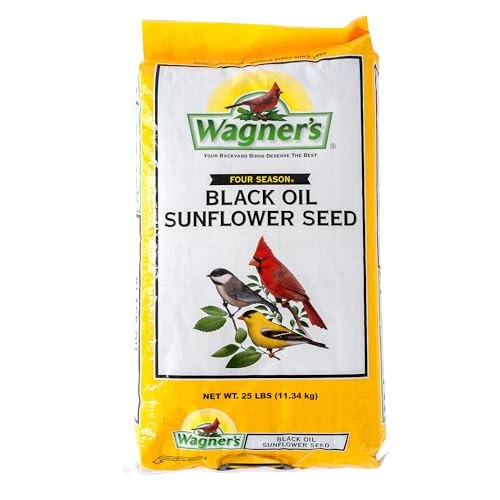
Wagner's Four Season Black Oil Sunflower Seed
Best for: a bulk bag of straight black-oil sunflower · Under $45 · 25 lb
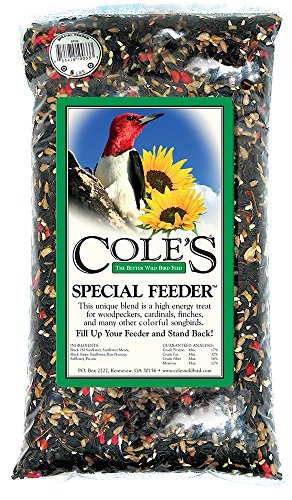
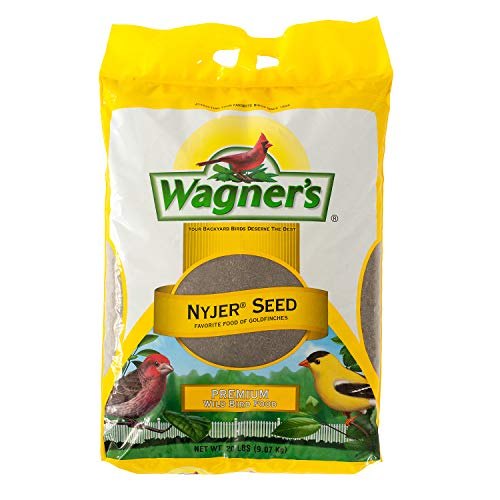
Budget picks
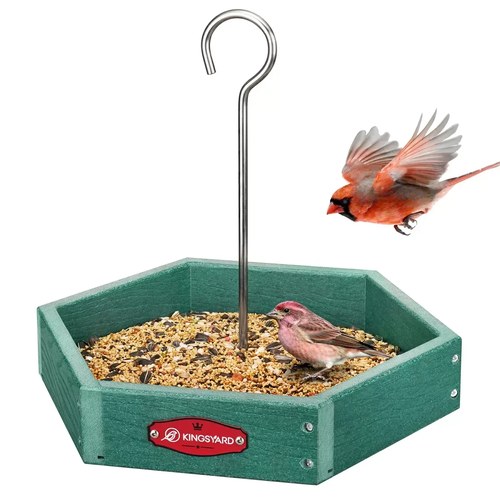
Kingsyard Recycled Plastic Platform Feeder
Best for: doves, sparrows, and juncos at an open tray · Under $30
Buttons go to title-checked Amazon product pages. As an Amazon Associate, Feeder Almanac earns from qualifying purchases. Read the affiliate disclosure.
Best feeder type
Project FeederWatch lists: Ground, Large hopper, Platform.
FeederWatch lists the ground, a large hopper, and a platform. Cornell says platform feeders attract doves and that large hoppers allow larger species to feed comfortably. A clean, open tray is the usual first step.
Placement, cover, and water
Cornell Lab advice on feeder placement is the same starting point for every species on this page. Place a feeder where you can see it, and keep it safe from windows and predators. The Lab says feeders are often safest closer than 3 feet to a picture window (or mounted on the glass), because a bird that hits the glass from that short hop is not at full speed. Offer nearby cover — evergreens are ideal — so birds can rest and escape a hawk, but keep the feeder about 10 feet from branches and shrubs so squirrels and cats cannot use them as a launch point. See Where to Put Your Bird Feeder.
A shallow, clean birdbath helps as much as an extra bag of seed. Cornell recommends water close to cover, easy to clean, and preferably with a little motion on the surface. Keep it filled, and scrub it often enough that algae does not take over. In cold weather, keep water open rather than adding antifreeze or glycerin, which can mat feathers.
Season and range
One of the most widespread U.S. feeder birds, present in every region hub on this site. It was second in Florida’s early November 2026 FeederWatch count. See All About Birds for seasonal movement in the North.
A year-round bird across much of the country, with northern birds moving south in winter. Ground seed must be kept fresh; do not let millet and corn sit long enough to mold.
Sources
- Project FeederWatch, Common Feeder Birds tool, for the foods and feeder types listed on this page, checked November 19, 2026.
- Project FeederWatch, Food Types and Feeder Types.
- Cornell Lab of Ornithology, Feeding Birds: a Quick Guide to Seed Types; How to Choose the Right Kind of Bird Feeder; and Where to Put Your Bird Feeder.
- Cornell Lab of Ornithology, All About Birds: Mourning Dove, for identification and range. Check that page for the current map.
- National Audubon Society, The Audubon Guide to Winter Bird Feeding and the Audubon Guide to Bird Feeding (PDF), for food, water, cover, and feeder-level advice that complements the Cornell placement guidance.
- Our seed chart and bird-seed buying guide for product matches. Amazon buttons go to product pages already title-checked for this site. As an Amazon Associate, Feeder Almanac earns from qualifying purchases.